



Special Plant Compost
Special Plant Compost
 SALE
SALE
 SALE
SALE
 SALE
SALE SALE
SALE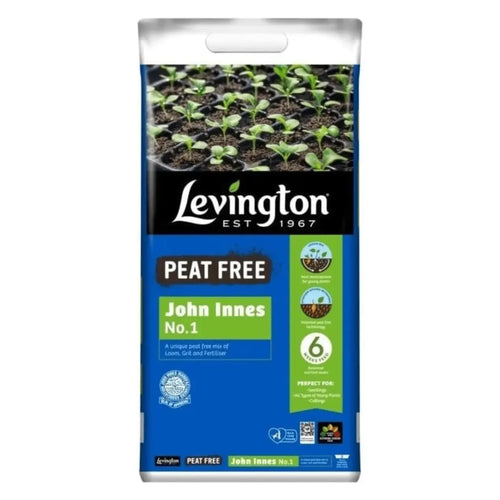 SALE
SALE
 SALE
SALE
 SALE
SALE
When it comes to nurturing specific plants like orchids, cacti, and other unique species, choosing the right compost is essential. Special plant compost is designed to meet the unique needs of various plants, providing the perfect balance of nutrients, moisture retention, and drainage. In this guide, we will explore the different types of special plant compost and how they can help your plants thrive.
Compost for Orchid Plants
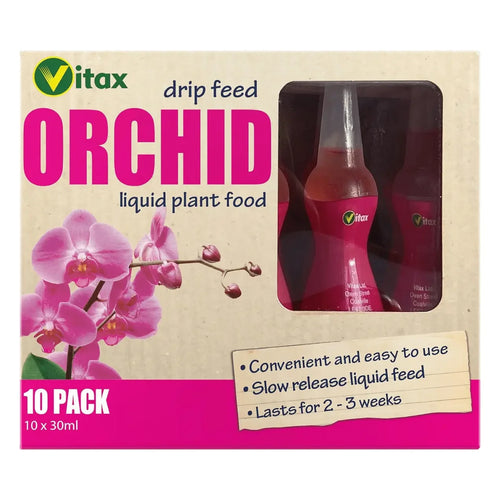
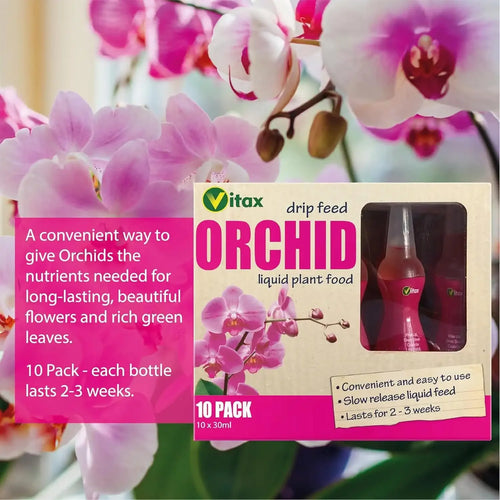
Orchids are delicate plants that require specific conditions to thrive, especially when it comes to their growing medium. Orchids need a well-drained, airy compost that allows their roots to breathe. Compost for orchids is typically made from a blend of bark, perlite, and sphagnum moss. This mix provides the ideal texture for orchid roots to grow without becoming waterlogged.
Using the right compost for orchids is key to preventing root rot and encouraging healthy blooms. Orchid compost ensures proper drainage while retaining enough moisture for the plant to absorb. If you're growing orchids at home, make sure you choose a specially formulated orchid compost to meet their unique needs.
Composting for Plants: General Guidelines
Composting for plants involves using organic material to enrich your soil and provide nutrients that plants need for growth. Whether you’re gardening in raised beds, pots, or the ground, compost can improve soil structure, retain moisture, and promote healthy plant growth. The composting process breaks down organic matter like food scraps, leaves, and grass clippings into nutrient-rich material that can be added to your garden.
Plant composts typically contain a mix of organic materials such as leaves, manure, and plant matter. When added to soil, compost enhances its fertility and texture, making it more conducive to plant growth. This process helps improve plant health by supplying a continuous source of nutrients over time.
Compost for Cactus Plants
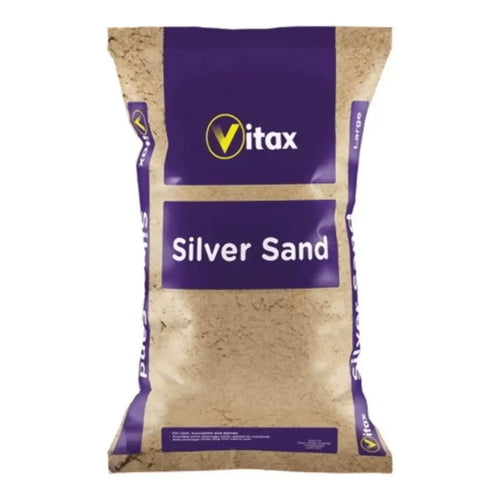
Cactus plants, like orchids, have unique requirements when it comes to their growing medium. They need well-draining soil that does not retain too much moisture, as over-watering can lead to root rot. Compost for cactus plants is typically made from a blend of sand, perlite, and organic matter, ensuring excellent drainage while still providing essential nutrients.
Cactus compost is designed to replicate the dry, well-draining soil conditions that cacti thrive in naturally. It allows water to drain away quickly while retaining enough moisture for the cactus roots to absorb during dry periods. If you're growing cacti, it’s important to use a specialized compost that mimics their native environment for the best results.
Why It’s Essential for Growth
Compost is an essential element for plant health. By adding compost to your soil, you’re ensuring that plants have access to a rich, nutrient-dense environment. Compost helps improve soil aeration, drainage, and nutrient content, all of which are crucial for plant development. It also supports beneficial microorganisms that break down organic matter, releasing nutrients that are absorbed by plant roots.
Using the right compost for your plants ensures they get the best start and grow to their full potential. Whether you’re growing indoor houseplants, outdoor flowers, or specific plants like orchids and cacti, selecting the right compost can make a world of difference in your gardening success.
FAQs
What is the best compost for orchids?
The best compost for orchids is one that offers excellent drainage and air circulation, such as a mix of bark, perlite, and sphagnum moss. This type of compost helps prevent root rot and promotes healthy growth.
Can I use general-purpose compost for cactus plants?
No, cactus plants require a specially formulated compost that provides excellent drainage. A mix of sand, perlite, and organic material is ideal for cacti.
How often should I replace the compost in my orchid pot?
Orchid compost should typically be replaced every 1-2 years to prevent it from breaking down and becoming too dense, which could hinder root growth.
What nutrients does compost for plants provide?
Compost for plants provides essential nutrients like nitrogen, phosphorus, and potassium, which are crucial for plant growth. It also improves soil structure and promotes beneficial microbial activity.
Can I use compost for all types of plants?
While general-purpose compost works for most plants, some plants, like orchids and cacti, require specialized compost to meet their unique needs. Always check the specific compost requirements for your plants to ensure they thrive.